Key Differences Explained: Memory Care vs. General Senior Care
Understanding the distinctions between memory care and general senior care is crucial for families evaluating options for aging loved ones. Memory care specializes in residents with cognitive impairments, providing specialized support and structured environments. In contrast, general senior care provides broader assistance for different needs. Understanding these differences can greatly impact the quality of life for seniors. What factors should families evaluate when deciding on the right type of care?
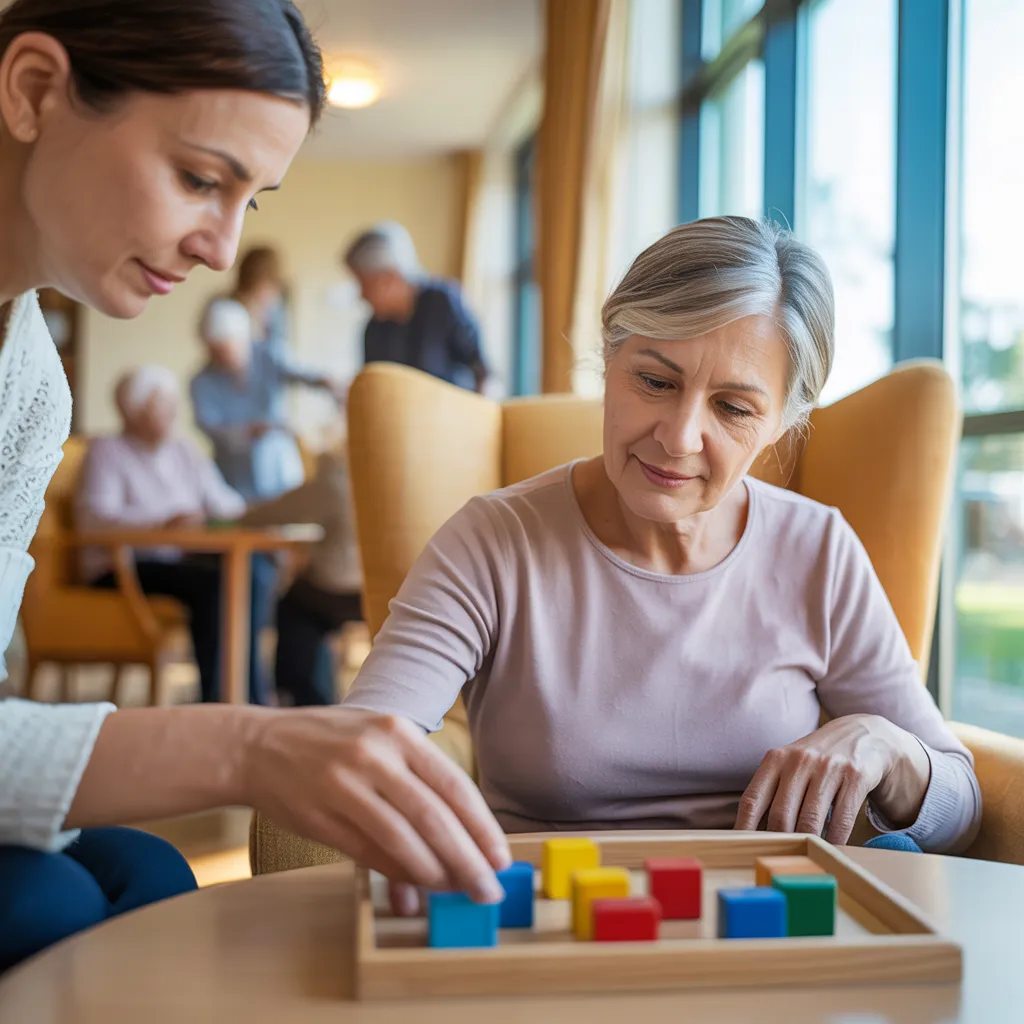
Memory Care vs. General Senior Care: Key Differences
Though both memory care and general senior care aim to support the elderly, their strategies and provisions differ substantially. Memory care concentrates specifically on individuals with cognitive impairments, such as Alzheimer's disease or other forms of dementia. This type of care offers specialized programs and environments created to enhance cognitive function, encourage social interaction, and ensure safety. Staff members are prepared to recognize the particular needs of residents with memory-related issues.
By comparison, general senior care includes a more extensive range of services for older adults, including those who may not have notable cognitive decline. This category offers assistance with daily activities, medical care, and social engagement but does not necessarily include specialized memory support. As a result, the environments and staff training diverge, illustrating the need for tailored care strategies that address the distinct challenges faced by individuals in memory care settings compared to those receiving general senior care.
Understanding Memory Care and Its Benefits
Memory care constitutes a dedicated form of living assistance designed to assist individuals with mental decline, mainly those suffering from Alzheimer's and additional kinds of dementia. These facilities deliver a secure, well-ordered environment adapted to the specific requirements of residents experiencing memory loss. Qualified staff members offer continuous supervision, maintaining the well-being and health of each person.
Memory care services are dedicated to enhancing the quality of life through personalized care plans, which may include mental engagement exercises, social engagement, and help with routine daily tasks. This approach encourages cognitive and emotional health, enabling residents preserve their independence as much as possible. Additionally, memory care environments often include familiar routines, sensory activities, and therapeutic interventions that can minimize anxiety and confusion. Overall, memory care facilities work to create a nurturing atmosphere that addresses both the medical and emotional needs of individuals experiencing cognitive decline.
Comprehensive Senior Care: Wide-Ranging Support Solutions
General elderly care comprises a broad spectrum of support services intended to help older adults in maintaining their independence and quality of life. These services include personal care, housekeeping, meal preparation, and transportation, accommodating different needs and preferences. Many seniors experience positive outcomes through companionship programs, which deliver social interaction and emotional support, serving to combat feelings of isolation.
Along with in-home care, general senior care typically incorporates community-based services including adult day programs and senior centers, where older adults can participate in activities and develop social networks. Health monitoring and coordination of medical appointments are also essential components of general senior care, making sure that seniors receive proper medical attention.
Additionally, respite care provides temporary relief for family caregivers, allowing them to take breaks while ensuring that their family members are well cared for. All in all, general senior care aims to elevate the well-being and dignity of older adults.
How to Select the Right Care for Your Family Members
Choosing the right care for a loved one demands thorough assessment of their specific needs and preferences. Comprehending the distinctions between memory care and general senior care can help families reach informed decisions. Reviewing facility options is also vital to guarantee the chosen environment aligns with the resident's requirements.
Determine Care Requirements
What methods can families use to establish the proper care level for their loved ones? Evaluating care needs is vital for making informed decisions. Family members should begin by examining the person's health background, mental capabilities, and everyday living needs. Grasping the evolution of health problems, especially cognitive deterioration such as dementia, is necessary. Family members may also evaluate behavioral issues and the requirement for monitoring or expert assistance. Engaging healthcare professionals for evaluations can provide valuable insights into the level of care required. Furthermore, talking about preferences and comfort factors with the family member can assist in directing choices. At last, the purpose is to stabilize safety, independence, and well-being while ensuring the selected care fits with personal necessities.
Review Location Choices
When families begin to evaluate facility options for their loved ones, the selection of choices can be overwhelming. They must consider whether memory care or general senior care best matches their loved one's needs. Considerations like the level of medical care required, staff-to-resident ratios, and facility security should be prioritized. Moreover, families should examine the amenities offered, including social activities and recreational opportunities, which can considerably impact a resident's quality of life. Visiting potential detailed guide facilities, asking questions, and observing interactions among staff and residents can provide valuable insights. In the end, choosing a facility should reflect both the individual needs of the individual and the family's preferences, ensuring a supportive and nurturing environment for their loved one.
Why Security Matters in Memory Care Settings
A secure environment is vital in memory care environments, as it increases safety for residents who may be prone to wandering or disorientation. These settings also foster independence and dignity, enabling residents to engage in daily activities while limiting risks. Furthermore, specialized staff training confirms that caregivers are prepared to support the distinct needs of those with memory impairments.
Advanced Safety Standards
Although people with memory challenges may experience difficulty with orientation and comprehending their environment, enhanced safety measures in memory care facilities play an essential role in ensuring their well-being. These centers establish amenities including protected entrance and exit areas to avoid wandering incidents, a frequent issue affecting those living in these facilities. Additionally, specialized layouts minimize confusion and reduce the risk of accidents. Staff members are trained to recognize and respond to potential safety hazards, providing instant support when needed. Moreover, observation technology, such as recording devices and notification systems, are commonly utilized to strengthen safety. Together, these protocols develop a caring atmosphere that focuses on occupant security, allowing families to have peace of mind while their loved ones receive care tailored to their unique needs.
Supporting Self-Sufficiency and Dignity
Creating a secure environment in memory care facilities not only improves safety but also contributes significantly to promoting independence and dignity among residents. This secure setting allows individuals with memory impairments to navigate their surroundings with confidence, decreasing anxiety and fostering a sense of autonomy. By offering accessible spaces and supportive resources, residents can engage in daily activities that correspond to their personal preferences and abilities. Supporting self-expression through tailored programs helps maintain individuality, bolstering a sense of worth. When residents feel safe and respected, their overall well-being increases, resulting in enhanced emotional health. Finally, a secure environment empowers individuals in memory care to live fulfilling lives while maintaining their dignity and independence as much as possible.
Specialized Team Development
Guaranteeing a protected environment in memory care facilities depends on the specialized training of staff, which is vital for fostering the health of residents. Trained professionals recognize the distinct challenges posed by cognitive impairments, empowering them to respond effectively to the needs of individuals with memory loss. This training includes calming techniques, communication strategies, and safety protocols intended to prevent wandering and maintain a calm atmosphere. Furthermore, staff members learn to detect signs of distress or confusion, allowing for timely interventions. A protected environment not only strengthens the safety of residents but also supports their emotional and psychological health, essential for maintaining dignity and independence. Therefore, specialized staff training is a cornerstone of effective memory care, enabling a holistic approach to resident care.
Transitioning From General Care to Memory Care: What to Expect
Shifting from general care to memory care can be a difficult process for families, as it often involves dealing with the realities of a relative's cognitive decline. Families may experience a spectrum of emotions, including sorrow, confusion, and guilt. Understanding what to expect during this change can help reduce some of these feelings.
From the outset, families should expect a complete assessment of their family member's needs by memory care specialists. This assessment will identify the suitable level of care and services needed. Interaction with staff is essential; families should ask questions and share issues to guarantee a tailored approach.
Furthermore, families may need to prepare for changes to daily routines, as memory care facilities often implement scheduled programs designed to promote cognitive function. Additionally, keeping up with regular visits can deliver emotional support, enabling your loved one adapt to their new environment while strengthening connections with family.
FAQ
Which Conditions Are Treated in Memory Care Facilities?
Memory care centers primarily treat conditions like Alzheimer's disease, other forms of dementia, and cognitive impairments. These specialized environments focus on safety, social engagement, and personalized therapies to enhance quality of life for residents.
How Does Memory Care Staff Training Compare to General Senior Care Training?
Team member training in memory care facilities centers on specialized techniques for handling cognitive impairments and behavioral challenges, while general senior care training focuses on broader health needs and daily living assistance, illustrating the distinct patient requirements in each setting.
Are Memory Care Facilities Covered by Medicare or Medicaid?
Memory care facility coverage may be accessible via Medicaid, subject to individual state guidelines and eligibility standards. However, Medicare typically does not cover long-term memory care services, focusing instead on short-term rehabilitation and skilled nursing care.
What Activities Do Memory Care Programs Typically Include?
Memory care services commonly include activities including arts and crafts, music therapy, exercise classes, cognitive games, and social interaction opportunities, all designed to enhance residents' cognitive function, emotional well-being, and overall quality of life.
How Do I Know When It's Time to Consider Memory Care?
Warning signs of the need for memory care include growing confusion, wandering, trouble with daily tasks, mood swings, or safety concerns. Families should evaluate these changes alongside professional guidance to determine the appropriate level of care.